How to Budget for Event Videography
- Event videography pricing is mostly labor, planning, and editing — not the camera.
- Typical ranges: small events start around $949–$2,500, most single-day corporate events land between $2,500 and $7,000, and multi-day conferences run $7,000 to $30,000+.
- The biggest price drivers are event length and complexity, crew size, turnaround speed, and revision rounds.
- Compare quotes line by line on deliverables, not by the total at the bottom.
- Fastest way to a real number: build your own quote and see exactly what each line costs.
Jump to a section
- Why two quotes look so different
- What pricing usually includes
- The biggest factors that change the price
- Common pricing models
- What you're paying for beyond the camera
- Typical price ranges
- What this looks like in Kansas City
- How to choose the right package
- Mistakes that make video cost more
- The simplest way to make the right call
Getting a quote for event videography can feel like shopping for the same suitcase in two different stores, except one price tag says $1,500 and the other says $5,000. Both promise “event video,” but the real difference usually has nothing to do with the camera itself. It comes down to planning, coverage, editing, and whether you end up with footage you can actually use after the lights go down. We publish our own pricing — you can build your own quote line by line, and the number you see is the number we hold to.
Why do two quotes for the same event look so different?
Because each vendor bundles prep, coverage, and editing differently, not because one is padding the number. The frustration is real: one proposal looks suspiciously cheap, another feels way over budget, and both seem to describe the same service. Here’s the thing, event videography is not a fixed product. It is a mix of labor, gear, judgment, logistics, and post-production, and each quote bundles those pieces differently.
A low quote may cover one operator for a few hours with minimal editing. A higher quote may include planning calls, coordination with your venue, clean audio capture, multiple cameras, color correction, captions, and polished exports for different platforms. On paper, both are “event video.” In practice, the results can be miles apart.
That is why comparing line items matters more than comparing totals. If your event is a downtown Kansas City summit with a keynote, sponsor activations, hallway interviews, and a ballroom flip between sessions, you are not paying somebody to simply show up and hit record. You are paying for someone to stay ahead of the chaos and still bring back usable content.
What does event videography pricing usually include?
Most event videography quotes are built from three big buckets: prep before the event, filming on-site, and editing after the event. Once you understand those buckets, proposals stop feeling so random.
Pre-production and planning
This is the part many people forget exists because it happens before a single frame is captured. But it matters a lot.
Pre-production usually includes discovery calls, reviewing your run of show, understanding who is speaking and when, identifying must-capture moments, and planning around venue logistics. If your event has a keynote at 9:00, breakout rooms at 10:30, sponsor remarks at lunch, and an award presentation before dinner, somebody needs to map that out before event day.
You may also see planning around the venue itself. That can mean figuring out where cameras can be placed, when load-in happens, how to work around house lighting, and how to connect to the AV setup. If your venue team is handling screens, microphones, and stage sound, that coordination affects whether your final video sounds clean or sounds like it was recorded from the back of the room.
Good prep prevents expensive misses. It is not filler.
Filming on-site
This is the most visible part of the job, and usually the part people picture first. Coverage hours, number of camera operators, audio capture, lighting support, and the complexity of the event all shape the production-day cost.
A simple internal meeting may only need one camera operator and a few hours on-site. A larger event may need multiple operators to cover the keynote, audience reactions, networking moments, sponsor booths, and interviews at the same time. If your event has more than one room active at once, one person cannot be in both places. Obvious, but easy to overlook when looking at a cheap quote.
Audio is often part of on-site pricing too. That might include plugging into the venue’s soundboard for a direct “audio feed,” which just means taking sound straight from the microphone system rather than relying only on a camera mic across the room. The difference is huge. Clean sound can save an otherwise average-looking shot. Bad sound ruins even beautiful footage.
Editing and final deliverables
Editing is where a lot of the budget goes, and for good reason. This is where raw material becomes something useful.
After your event, footage has to be backed up, sorted, synced with audio, trimmed, reviewed, and shaped into final deliverables. That can include a highlight reel, full keynote videos, shorter social clips, interview segments, captions, graphics, color correction, audio cleanup, music licensing, and exports in different sizes or aspect ratios.
This is also where quality really starts to show. A quick assembly edit is not the same as a polished recap that builds energy, supports your brand, and gives your sales or marketing team something worth sharing. If one quote includes “basic edit” and another includes captions, branded graphics, and multiple cutdowns, the price gap suddenly makes a lot more sense.
What are the biggest factors that change the price?
Event length and complexity, crew size, turnaround speed, and revision rounds move the number more than anything else. Some events are straightforward. Others are moving targets with microphones, stage lights, and a lunch service squeezed into the middle. That difference drives pricing more than almost anything else.
Event length, size, and complexity
A two-hour panel discussion is one thing. A full-day conference with breakouts, sponsor tables, hallway interviews, and a closing reception is another.
Length matters because more hours means more labor, more footage to manage, and more editing time later. Size matters because larger events often need wider coverage, more coordination, and more gear. Complexity matters most of all because it creates friction. Multiple stages, shifting schedules, interview windows that change at the last minute, and content happening in several places at once all raise the demands on the crew.
A luncheon in a hotel meeting room is usually simple. A multi-day summit at a busy convention venue is not. That is why event videography pricing has such a wide range.
Crew size and equipment needs
One shooter can do a lot, but not everything. If your goal is a basic record of a single presentation, one operator may be enough. If your goal is a polished event recap with coverage of the room, audience, stage, B-roll, interviews, and candid networking moments, a second operator often makes a real difference.
More gear can also raise the budget. Additional cameras allow multiple angles. Better audio setups capture cleaner speaker sound. Extra lighting helps interviews look intentional instead of dim and muddy. Drone footage may add context for an exterior establishing shot, though honestly, it only makes sense if the venue and event type support it.
The trick is matching the setup to the job. More people and gear are not automatically better. They are better when the event actually needs them.
Turnaround time and revision rounds
Fast turnaround always costs more.
If you need a next-day highlight video, same-day social clips, or content cut during the event itself, that requires extra staffing, tighter workflows, and more pressure on the editing side. The same goes for multiple rounds of revisions. A quote that includes one revision round will be priced differently than one that leaves the editing process open-ended.
If your internal team needs legal review, sponsor approvals, or several stakeholders signing off, make sure the proposal accounts for that. Revision limits are not a small detail. They affect time, scheduling, and budget very quickly.
What pricing models will you see in quotes?
You'll typically see hourly or day rates, package pricing, or custom quotes for larger events, and knowing which one you're looking at changes what questions to ask. Two quotes can look completely different and still describe almost the same scope. Or they can look similar while leaving out major pieces. That is why the pricing model matters.
Hourly, half-day, and full-day rates
Hourly rates usually show up for smaller jobs, short events, or very focused coverage windows. Half-day and full-day rates are more common when the schedule is longer or less predictable.
The catch is that events rarely run as neatly as planned. A “quick” luncheon stretches because the keynote starts late. The awards segment runs over. The networking hour you wanted covered turns into two. If your quote is hourly, overtime rules matter. If it is half-day, you need to know what counts as half a day. If it is full-day, ask how many hours that actually includes.
A rate structure is only useful if you know where the edges are.
Package pricing
Package pricing bundles deliverables into a single price. That might include something like event coverage, one highlight reel, one full keynote edit, and a few short social clips.
Packages can be easier to budget for because you are buying a defined result instead of piecing together services one by one. But packages only help if the deliverables match your actual goals. Paying for social cutdowns you will never post is not a bargain. Neither is booking a basic package if your team really needs speaker archives, sponsor content, and recruiting clips afterward.
A package is convenient. It is not automatically right.
Custom quotes for larger events
For conferences, summits, trade shows, galas, and multi-day corporate events, custom pricing is normal. At that scale, a standard package often stops making sense.
Custom quotes usually account for more planning time, multi-camera setups, additional operators, more detailed editing workflows, and location-specific logistics. If your event includes several session rooms, sponsor interviews, stage content, and a polished recap video, custom pricing is often the only honest way to scope it.
That does not mean the quote should feel vague. It should still clearly spell out what is included.
What are you really paying for beyond the camera?
You're paying for how a crew handles bad audio and lighting, what they choose to capture in the moment, and whether they show up with a backup plan. A camera is the tool. The value is everything wrapped around it.
Audio, lighting, and room challenges
Ballroom lighting is often bad. Hotel ceilings are high. Trade show floors are noisy. Crowd chatter bleeds into interviews. Podium microphones cut in and out. None of this is unusual.
That is why event video is not just about getting a nice-looking image. It is about handling difficult conditions without falling apart. An audio feed, meaning a direct connection from the room’s sound system, can make the difference between a keynote you can publish and one you cannot. Backup audio matters too, because venue sound is not always reliable.
Lighting support works the same way. You may not need a full lighting setup for live coverage, but interviews in a dark hallway corner or sponsor booth usually benefit from it. Clean sound and usable light are not glamorous line items, but they are often the reason a final video looks polished instead of accidental.
Storytelling and usable footage
Recording everything is easy. Capturing the right things is harder.
You do not just need clips. You need footage that can become a recap video, recruiting piece, sales asset, speaker promo, sponsor thank-you, or social cutdown later. That means noticing who matters, which moments tell the story, when the room actually feels alive, and when to move before the good shot disappears.
Strong event operators anticipate. They catch the applause beat after the keynote lands. They notice the handshake at the booth that actually means something. They grab the wide shot before the ballroom empties. That skill is a big part of what you are paying for.
Reliability, backup plans, and professionalism
This part is not exciting until something goes wrong. Then it becomes the whole story.
Reliable event videography includes backup cameras, duplicate audio recording, spare media, careful file handling, insurance, punctuality, and the ability to work smoothly with venue staff and your event team. If your crew is loading in through a crowded service entrance at Bartle Hall while exhibitors are still rolling cases across the floor, there is no room for confusion or improvisation.
Professionalism also shows up in smaller ways. Clear communication. Staying unobtrusive during sessions. Knowing how to work around AV. Keeping the day moving instead of creating friction. Those things do not always stand out in a quote, but they absolutely affect the result.
What are typical price ranges for different event needs?
Small events with simple coverage typically run $949–$2,500, single-day corporate events run $2,500–$7,000, and multi-day conferences run $7,000–$30,000 or more. Pricing varies by market and scope, but some broad ranges can help you pressure-test what lands in your inbox. Think of these as directional, not fixed.
| Event type | Typical range | What's usually included | Best for |
|---|---|---|---|
| Small events & simple coverage | $949–$2,500 | One operator, limited hours, basic audio, raw footage or a simple edit | Internal meetings, short talks, luncheons, networking events |
| Single-day corporate events | $2,500–$7,000 | 1–2 operators, keynote coverage, interviews, clean audio feed, polished recap edit | Conferences, product launches, galas, leadership summits |
| Multi-day conferences & large productions | $7,000–$30,000+ | Multi-camera crews, breakout coverage, same-day edits, social cutdowns, full deliverable suites | Multi-day summits, trade shows, conventions with sponsor content |
Basic coverage for small business events
For smaller events, simple talks, internal meetings, short luncheons, or local networking events, event videography pricing often starts around $949 to $2,500.
At the lower end, that usually covers limited hours on-site, one operator, basic audio capture, and either raw footage or a simple edit. If your goal is documentation rather than polished marketing content, this range can make sense. Just read carefully for what is not included, especially editing depth, extra coverage hours, and backup audio.
Mid-range coverage for polished highlight videos
A lot of corporate events land in the $2,500 to $7,000 range, especially when you want more than basic documentation.
This is often the sweet spot for a professional recap video, keynote coverage, interviews, and a more intentional edit. You may be paying for one or two operators, better audio, stronger planning, and deliverables that are actually ready to use in marketing. If your event matters externally, not just internally, this is often where the value starts to show.
Larger budgets for conferences, galas, and multi-day events
For conferences, galas, trade shows, product launches, and multi-day events, budgets often move into the $7,000 to $30,000-plus range.
That jump is not random. It usually reflects multiple camera operators, multi-camera session coverage, breakout rooms, more involved pre-production, extensive editing, social cutdowns, and a larger volume of final assets. Once coverage spans several days or several spaces at once, costs can scale quickly because labor and post-production scale with it.
What does this look like in Kansas City?
The same ranges hold true here, and our own published rates follow them exactly. The ranges above hold true in the Kansas City market. Our own published rates start at $949 for smaller productions, most single-day corporate events land between $2,500 and $7,000, and multi-day conferences with larger crews, multiple deliverable formats, and same-day edits scale to $30,000 and up.
One thing worth knowing about pricing in this market specifically: Kansas City events often span both sides of State Line, a morning keynote at Bartle Hall downtown and an afternoon session at an Overland Park headquarters. Some vendors quote that as two locations with travel fees. We treat the metro as one floor, one crew, one rate. If a quote you are comparing adds travel math inside the metro, that is worth questioning.
Every base rate we charge is published upfront. You can build your estimate line by line before you ever talk to us, which also makes it a useful benchmark even if you are comparing other vendors. For the exact rate builder and line-by-line pricing tool, see our event videography pricing page — this guide is about how to compare what you get, that page is where you build the actual number.
How do you choose the right videography package for your event?
Start with the outcome you need, not the equipment list, then separate what's essential from what's just nice to have. The best package is not the biggest one. It is the one that matches what you actually need when the event is over.
Start with the outcome you need
Begin with the final use, not the filming day. A one-minute recap video requires different coverage than a full archive of every session. Sponsor content needs different shots than recruiting content. A sales team that wants testimonial clips from customers on-site needs a different plan than an internal comms team that only wants keynote playback.
If you start with “how many cameras?” too early, you can end up buying the wrong thing. Start with the outcome and work backward.
Decide what is essential versus nice to have
This step saves money fast. Ask what absolutely has to be captured, then separate that from the nice extras.
Drone footage may look great, but if your event is mostly indoors, it may add very little. Multiple interview setups can be useful, but only if you have time and people lined up to speak. Same-day edits create excitement, but they also add cost and pressure. The trick is not to say yes to every add-on just because it sounds good in a proposal.
A clear list of must-haves keeps the scope grounded.
Ask for deliverables in writing
This is one of the simplest ways to compare quotes fairly. Get specifics in writing: final video length, number of edited clips, aspect ratios, captioning, revision rounds, delivery timeline, file format, and usage rights.
Vague language creates surprises. Clear deliverables prevent them. If one quote includes a 60-second recap, three social clips, captions, and a two-week turnaround, while another just says “edited event video,” those are not equal proposals no matter how similar the totals look.
What mistakes make event video cost more than it should?
Booking too late, changing scope midstream, and choosing the cheapest quote without checking the details are the three that show up most. A lot of budget overruns do not come from the quote itself. They come from planning decisions that make the job harder than it needed to be.
Booking too late
Late booking limits availability, especially during busy spring and fall event seasons around the Kansas City metro. It can also reduce planning time, which raises the odds of missed details and rushed decisions.
Sometimes late booking means higher fees because the schedule has to be rearranged or extra crew has to be sourced quickly. Even when the rate stays the same, the risk goes up. Event video gets better when there is time to prep.
Changing the scope midstream
This happens all the time. A few extra interviews get added. Another social clip sounds useful. A second day suddenly needs coverage. The sponsor asks for a separate edit. None of these changes seem huge on their own.
But they stack up fast. More coverage means more shooting time, more file management, more editing, and more review cycles. Scope changes are not bad, but they should be expected to affect the price.
Choosing the cheapest quote without checking the details
The cheapest quote can be a good deal. It can also be missing half the job.
Low pricing often leaves out audio support, planning time, editing depth, backup gear, sufficient coverage hours, or enough crew to realistically capture the event. If you only compare totals, you can end up paying less upfront and getting footage that cannot do what you needed it to do.
A better approach is simple: compare scope, deliverables, and production support line by line. Then look at the price.
What's the simplest way to make the right call?
Write down the three assets you need most after the event, then compare every quote against that list instead of against the lowest number. If you try one thing, do this: write down the three assets you need most after the event, then compare every quote against that list. Not against the equipment list, not against the lowest number, just against the outcome you actually need.
That one step clears up a lot. It helps you spot under-scoped proposals, skip flashy extras that do not matter, and spend your budget on event videography that leads to usable results instead of a folder full of footage you never touch.
FAQ
How much should I budget for event videography?
Budget based on your event type and goals, not a single flat number. Small events with simple coverage typically run $949 to $2,500, single-day corporate events run $2,500 to $7,000, and multi-day conferences run $7,000 to $30,000 or more. Compare quotes on deliverables, not just the total, to make sure your budget actually covers what you need.
Why do two quotes for the same event look so different?
Because each vendor bundles prep, coverage, and editing differently. One quote may cover a single operator with a basic edit, while another includes planning calls, multiple cameras, a direct audio feed, captions, and several final deliverables. Compare the line items, not the totals.
Does same-day or next-day turnaround cost more?
Yes. Fast turnaround requires extra staffing and a compressed editing workflow, often with an editor working on-site during the event. Expect same-day edits and next-day highlight videos to be priced above standard delivery timelines.
What should be in writing before you book?
The full deliverables list: final video lengths, number of edited clips, aspect ratios, captioning, revision rounds, delivery timeline, file formats, and usage rights. If a proposal just says "edited event video," ask for specifics before comparing it against other quotes.
Get a real number in minutes.
Every base rate is published upfront. Build your estimate line by line and see exactly what your event would cost.
Build Your Quote Not sure what you need? Request a call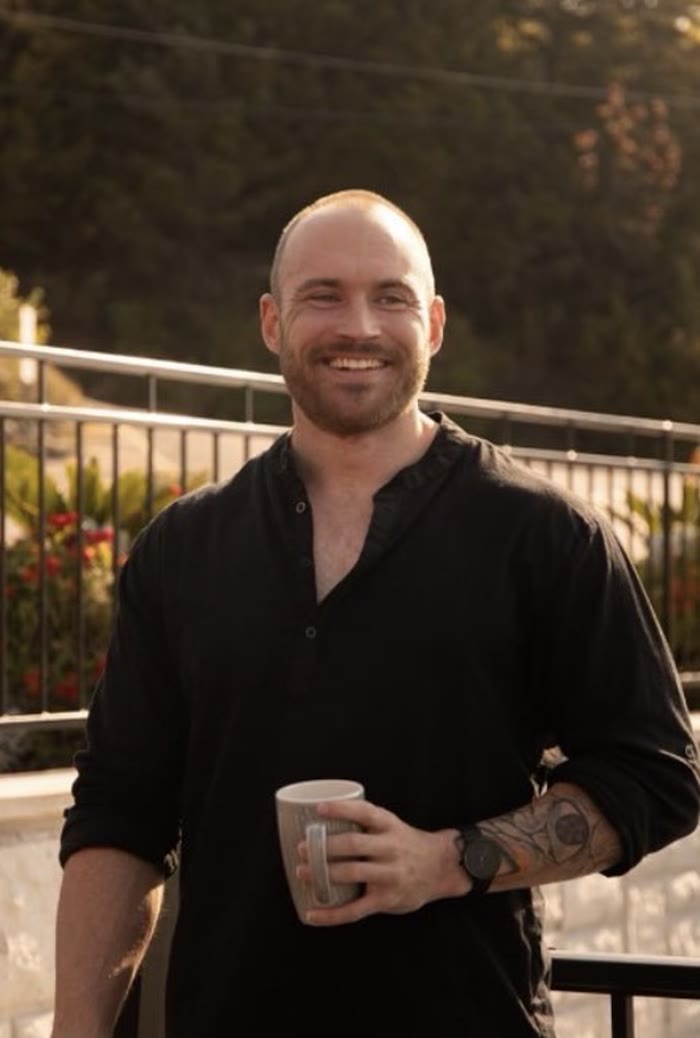
Drew Dowd
Founder, KC Event VideosDrew Dowd is the founder of KC Event Videos, a corporate event video production company based in Kansas City filming conferences, corporate events, concerts, and galas across Missouri and Kansas.